
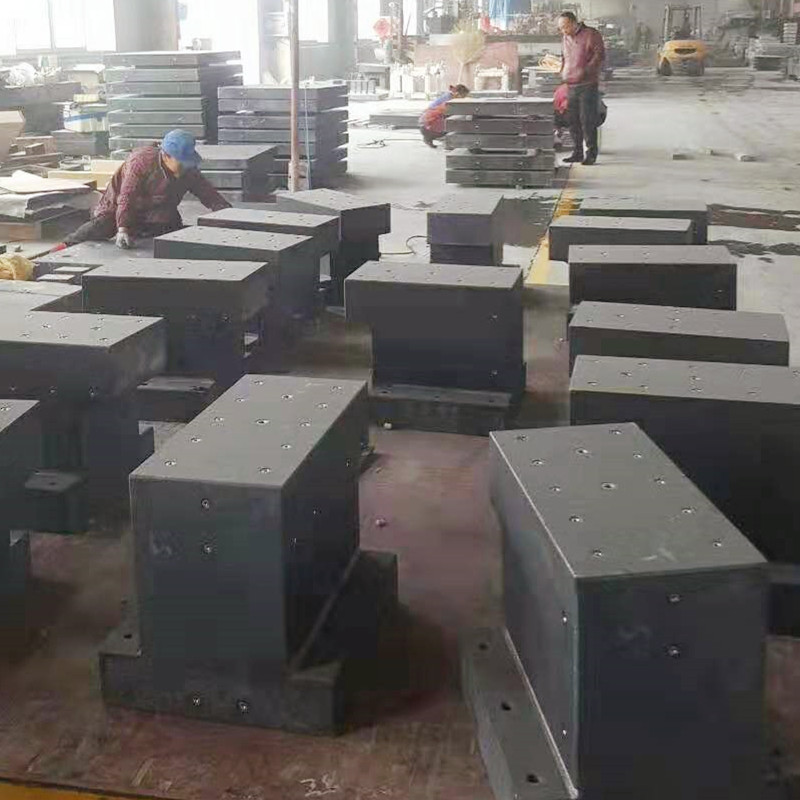
glass panels cut to size
Understanding Pilot Operated Check Valves Pilot operated check valves are essential components in hydraulic systems, providing a robust solution for controlling the flow and preventing backflow. These valves combine the features of a standard check valve with those of a pilot control mechanism, enhancing their functionality and application in various industries. This article explores the operation, advantages, and applications of pilot operated check valves. Operation Principle A pilot operated check valve consists of two main parts the main valve and the pilot valve. The main valve is responsible for allowing fluid flow in one direction while preventing any reverse flow. The pilot valve, on the other hand, is controlled by external signals and modifies the conditions under which the main valve operates. When the system is pressurized in the desired flow direction, the pilot valve opens, allowing the pressure to act on the area beneath the main valve disc, keeping it in an open position. This design allows for normal operation, where fluid flows through the valve with minimal resistance. However, if the flow attempts to reverse, the pressure drops, and the pilot valve closes, allowing the main valve to shut and preventing backflow. This unique operation ensures that the system maintains its integrity and operates efficiently under various conditions. Advantages of Pilot Operated Check Valves 1. Minimal Pressure Drop One of the key benefits of pilot operated check valves is their low pressure drop across the valve. Traditional check valves can exhibit higher pressure drops due to their simpler design, which can impede performance in hydraulic circuits. In contrast, pilot operated check valves maintain a smooth flow path during operation, thus optimizing system efficiency. 2. Enhanced Control The ability to control the pilot valve externally means operators can dictate specific operational parameters more precisely. This enhances control over the hydraulic system, allowing it to respond effectively to varying demands and operating conditions. pilot operated check valve 3. Preventing Unwanted Movement In applications where load holding is critical, pilot operated check valves provide reliable protection against unexpected movement . For instance, in hydraulic lifting systems, these valves ensure that a lifted load remains secure in case of a power failure or system malfunction. 4. Versatility Pilot operated check valves are adaptable and can be used in a variety of settings, from construction equipment to industrial machinery. Their versatility makes them a popular choice in industries that require fluid power systems, including manufacturing, automotive, and aerospace. Applications The applications of pilot operated check valves are extensive, spanning a myriad of industries. In mobile equipment, such as excavators and cranes, these valves are crucial for maintaining load stability during operation. They prevent the sudden drop of loads if a hydraulic failure occurs, thereby improving safety and reliability. In stationary hydraulic systems, such as those found in manufacturing plants, pilot operated check valves are used to manage fluid flow in complex piping layouts. Their efficiency helps in reducing energy consumption, making them an integral component in modern hydraulic solutions. Moreover, in the oil and gas industry, these check valves help regulate the flow of fluids in high-pressure environments, ensuring the safe transportation of materials. Their ability to handle high fluid velocities while preventing backflow makes them indispensable in such critical applications. Conclusion Pilot operated check valves offer exceptional control and reliability in hydraulic systems, making them vital components across various industries. Their unique operational mechanism provides numerous advantages, such as minimal pressure drop, enhanced control, and versatility, making them suitable for diverse applications. As industries continue to evolve and demand more efficiency and safety, the role of pilot operated check valves will undoubtedly remain significant in fluid power technology.
about
glass panels cut to size
Gate valves are essential components in various piping systems, ensuring efficient flow control. This article explores the specifics of the 150mm gate valve , the 2 gate valve , and the 25mm gate valve . Understanding these variations helps in selecting the right valve for your application needs. The Importance of the 150mm Gate Valve The 150mm gate valve is widely used in industrial applications where substantial fluid flow needs to be regulated. With a diameter of 150mm, this valve can handle high volumes of water, oil, or gas. Its robust design allows for reliable sealing, which minimizes leaks and pressure drops. When installed correctly, the 150mm gate valve ensures that systems operate efficiently, making it a popular choice in municipal water systems, oil refineries, and manufacturing plants. Choosing this valve type can greatly enhance the performance and longevity of your piping infrastructure. Exploring the 2 Gate Valve Design The 2 gate valve is an innovative solution designed for applications requiring a compact yet effective flow control mechanism. This valve typically features two gates that operate simultaneously, allowing for better flow regulation and efficiency. The 2 gate valve is especially useful in situations where space is limited, such as in residential plumbing or small-scale industrial systems. Its dual-gate design not only reduces potential leaks but also enhances the overall durability of the system. When considering efficiency and space constraints, the 2 gate valve stands out as a versatile choice. The Role of the 25mm Gate Valve In contrast to larger valves, the 25mm gate valve is designed for smaller applications, making it ideal for domestic or light industrial uses. This valve is particularly effective in residential plumbing systems, irrigation systems, and HVAC applications. The compact size of the 25mm gate valve allows for easy installation in tight spaces, while still providing reliable control over fluid flow. Despite its smaller size, it maintains robust sealing capabilities, ensuring that water or other fluids do not leak. Opting for a 25mm gate valve can help maintain the integrity of smaller piping systems. Benefits of Choosing the Right Gate Valve Size Selecting the appropriate valve size, whether it’s a 150mm gate valve , a 2 gate valve , or a 25mm gate valve , is crucial for optimal performance in any piping system. Each size serves a specific purpose and fits different applications. The 150mm gate valve excels in high-capacity systems, the 2 gate valve provides efficiency in compact spaces, and the 25mm gate valve is perfect for light-duty uses. By understanding the unique characteristics of each valve, you can ensure that your system operates smoothly and efficiently. Making an Informed Decision When deciding between a 150mm gate valve , a 2 gate valve , or a 25mm gate valve , it's essential to assess the specific requirements of your application. Factors such as flow rate, pressure, and space availability should guide your selection. Each valve type offers unique benefits tailored to different operational needs, ensuring that you can find the perfect fit for your system. By making an informed decision, you can enhance the efficiency, reliability, and safety of your fluid management processes. In conclusion, understanding the various gate valves available, including the 150mm gate valve , the 2 gate valve , and the 25mm gate valve , is crucial for effective fluid control in any system. With the right choice, you can ensure optimal performance and longevity in your operations.
-

High quality industrial productsagement

High quality industrial products
View Details -

Meet the diverse needs of customers

Meet the diverse needs of customers
View Details -

Strict quality control

Strict quality control
View Details -

Top raw materials

Top raw materials
View Details -

Trusted supplier

Trusted supplier
View Details
Our application


news and information

V Blocks for Sale_ Types, Uses, and Best Heavy-Duty Frame V Options
V blocks and Vee blocks are essential tools in machining, metalworking, and inspection processes. Th
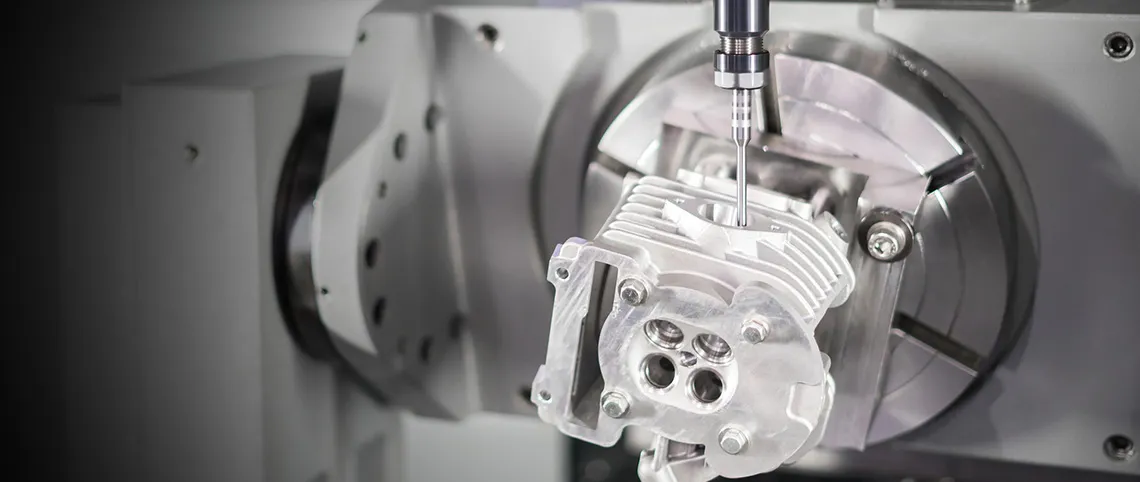
vee blocks for sale
VEE Blocks for Sale The Future of Sustainable Building Solutions In the contemporary era of construc
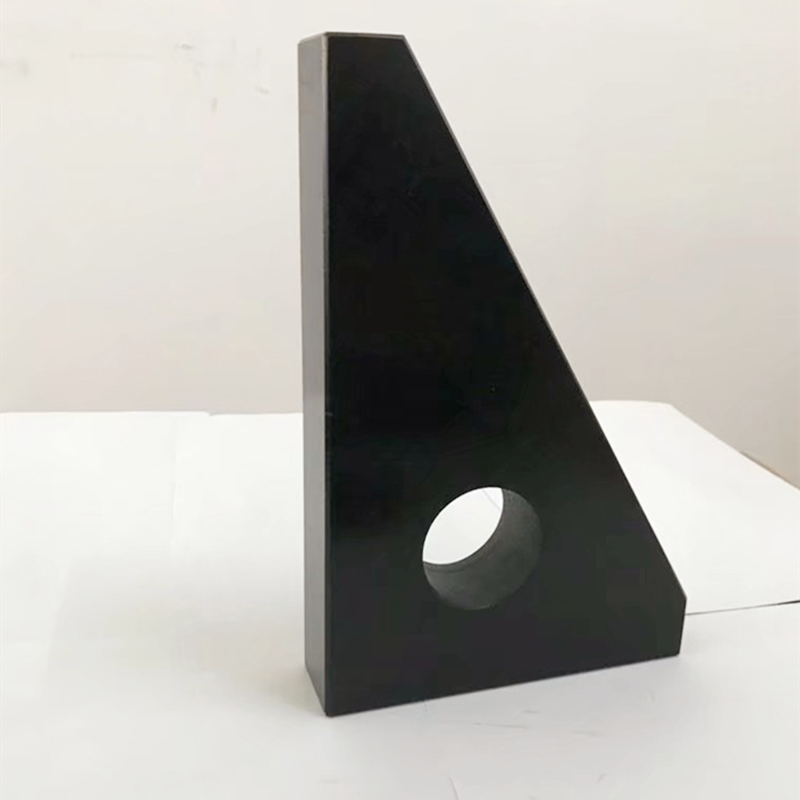
Versatile 3x6 Fabrication Table Designed for Welding Projects and Metalworking Applications
The Versatility and Importance of a 3x6 Welding Table Welding is a critical skill in various industr
 English